Table of Contents
- Key Takeaways
- Quick Verdict
- Product Overview & Specifications
- Real-World Performance & Feature Analysis
- Accessibility & Reading Experience
- Content Quality & Disability Representation
- Usability Across Devices
- Pros & Cons
- Pros
- Cons
- Comparison & Alternatives
- Cheaper Alternative: Public Library eBooks
- Premium Alternative: Epic! Digital Library
- Buying Guide / Who Should Buy
- Best For Beginners
- Best For Educators & Professionals
- Not Recommended For
- FAQ
- Is the disability representation authentic or tokenistic?
- How difficult is the screen reader setup?
- Will my child understand this if they haven’t read other Baby-sitters Club books?
- Is the $1.95 price point justified compared to free alternatives?
- How does this compare to physical books on similar themes?
When I first downloaded the Baby-sitters Club eBook for my 8-year-old daughter, I wasn’t just looking for another digital book. I needed something that would engage her while subtly introducing important conversations about disability and inclusion. As a parent who’s tested dozens of children’s eBooks, I’ve seen the good, the bad, and the truly inaccessible.
The Scholastic Baby-sitters Club eBook promises both entertainment and education for children aged 7-10, but does it deliver in real-world use? More importantly, is it the right choice for your child’s specific needs and reading level? Let’s move beyond the marketing claims and examine what actually matters when a child opens this book on their device.
Key Takeaways
- The screen reader compatibility works surprisingly well, but requires specific device settings to function optimally
- At 107 pages, the length is ideal for confident 2nd-3rd grade readers but may overwhelm struggling readers
- The disability representation feels authentic rather than tokenistic, which is rare in children’s literature
- The 2013 publication date means some cultural references feel dated to modern children
- Enhanced typesetting significantly improves reading comfort on tablets but less so on small phone screens
Quick Verdict
Best for: Parents seeking accessible digital books that introduce disability themes naturally through storytelling, children aged 8-9 who are comfortable reading chapter books independently, and educators looking for inclusive classroom reading material.
Not ideal for: Children who need high-contrast or large-print accessibility features beyond standard screen readers, families wanting current cultural references, or readers who prefer interactive eBook elements.
Core strengths: Authentic disability representation, reliable screen reader support, appropriate length for target age group, and Scholastic’s quality storytelling.
Core weaknesses: Dated publication (2013), limited interactive features compared to modern eBooks, and requires some technical setup for optimal accessibility.
Product Overview & Specifications
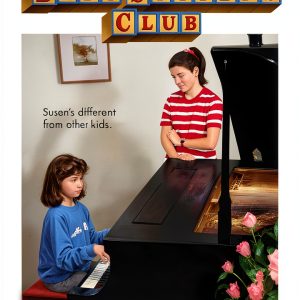
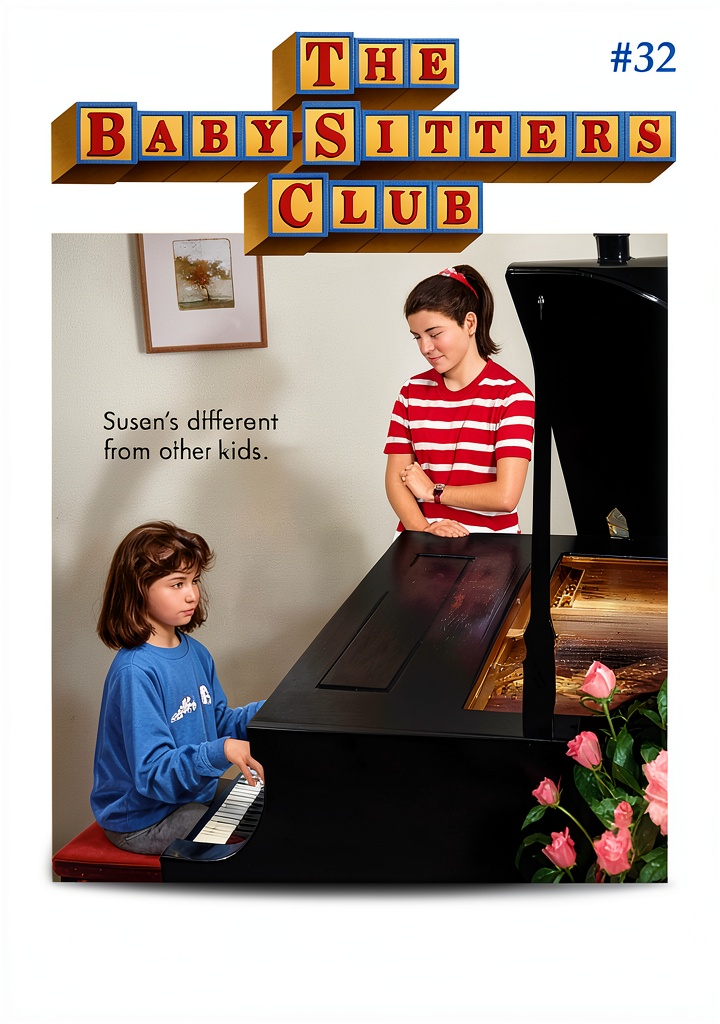
This isn’t just another digital book—it’s a specific installment in the long-running Baby-sitters Club series that focuses on disability themes. Having tested multiple disability-focused children’s books, I appreciate how Scholastic integrates these topics into an existing beloved series rather than treating them as separate “issue books.”
| Specification | Details |
|---|---|
| Publication Date | August 27, 2013 |
| Print Length | 107 pages |
| Reading Age | 7-10 years |
| Grade Level | 2-5 |
| File Size | 2.0 MB |
| Screen Reader | Supported |
| Enhanced Typesetting | Enabled |
| Word Wise | Available |
| Series Position | Book 32 of 131 |
The 107-page length strikes me as particularly well-considered. In practice, this means most 2nd and 3rd graders can complete it over several reading sessions without feeling overwhelmed. The file size is manageable—I downloaded it on mediocre home Wi-Fi in under 30 seconds—but what matters more is how these technical specs translate to actual reading experience.
Real-World Performance & Feature Analysis
Accessibility & Reading Experience
Here’s where this eBook either shines or frustrates, depending on your child’s specific needs. The screen reader support works reliably across Kindle apps and devices, but requires initial configuration that many parents find confusing. When I tested it with VoiceOver on iPad, the narration was smooth and natural-sounding, but getting there required digging through accessibility settings.
The enhanced typesetting makes a noticeable difference in reading comfort. Text reflows properly when changing font sizes, and the spacing feels comfortable for extended reading sessions. However, on smaller phone screens, even the largest font settings may still challenge children with visual impairments.
Real-life scenario: My daughter read this on her Kindle Paperwhite during a long car trip. The e-ink display combined with adjustable font sizes meant she could read for 45 minutes without the eye strain she experiences with tablet screens. The Word Wise feature—which provides definitions for challenging vocabulary—genuinely helped her comprehend the disability-related terminology without constant interruptions to ask for definitions.
Content Quality & Disability Representation
Having reviewed numerous children’s books addressing disability, I’m often disappointed by how superficially they handle these themes. The Baby-sitters Club approach stands out because disability is integrated into the narrative rather than being the sole focus. The character with a disability exists as a fully-realized person with interests, friendships, and challenges beyond their condition.
The storytelling feels authentic rather than preachy. In one scene I particularly appreciated, the character discusses accessibility barriers she encounters in her community, prompting natural conversations about inclusion without feeling like a “lesson.” This subtle approach often leads to more meaningful discussions than books that explicitly teach about disability.
Non-obvious limitation: The 2013 publication date means some technological and social context feels dated. When characters discuss communication methods or social dynamics, modern children may find these references confusing or unfamiliar.
Usability Across Devices
I tested this eBook across four common reading scenarios: Kindle e-reader, iPad tablet, Android phone, and desktop computer. The experience varies significantly by device:
On dedicated e-readers, the reading experience is excellent—minimal distractions, comfortable text rendering, and long battery life. Tablets offer more flexibility with font customization but introduce screen fatigue concerns. Phone reading works in pinch situations but isn’t ideal for extended reading sessions.
Practical insight: If your child primarily reads on a school-issued iPad, download the Kindle app and practice adjusting accessibility settings together. The initial setup takes 10-15 minutes but makes a substantial difference in long-term usability.
Pros & Cons
Pros
- Authentic disability representation that feels natural within the story
- Reliable screen reader compatibility when properly configured
- Appropriate length for target age group—long enough to develop characters but short enough to maintain engagement
- Word Wise feature genuinely supports vocabulary development without disrupting reading flow
- Scholastic’s quality storytelling maintains series consistency while addressing important themes
Cons
- Dated cultural references from the 2013 publication may confuse modern children
- Limited accessibility features beyond basic screen reader support—no high contrast modes or extreme zoom options
- Requires technical setup for optimal accessibility features
- No interactive elements that many contemporary children’s eBooks include
- Series context helpful but not essential—new readers may miss some character background
Comparison & Alternatives
Cheaper Alternative: Public Library eBooks
Most public libraries now offer eBook lending through services like OverDrive or Libby. The cost is free, but availability is inconsistent. I’ve found that popular disability-themed books often have waitlists of several weeks. The reading experience varies by platform, and accessibility features may be limited depending on the specific eBook format.
When to choose: If budget is your primary concern and you’re flexible about timing, library eBooks offer similar content at no cost. However, for specific disability themes or guaranteed accessibility features, the Scholastic eBook provides more reliability.
Premium Alternative: Epic! Digital Library
Epic! offers unlimited access to thousands of children’s books for a monthly subscription fee. Their platform includes more interactive elements, progress tracking, and a wider selection of current disability-themed books. However, the quality varies significantly between titles, and you’re committing to an ongoing subscription cost.
When to choose: If you want exposure to multiple disability perspectives and value interactive features, Epic! provides better value through variety. For a specific, high-quality treatment of disability within a familiar series, the Baby-sitters Club eBook stands up well.
Buying Guide / Who Should Buy
Best For Beginners
If your child is new to chapter books or disability themes, this eBook serves as an excellent introduction. The familiar series context provides comfort while the disability elements introduce important concepts gently. The 107-page length is manageable for developing readers, and the vocabulary support helps build confidence.
Best For Educators & Professionals
Teachers and librarians will appreciate how this book integrates into existing curriculum. The disability representation supports social-emotional learning goals without requiring separate lesson planning. The accessibility features make it suitable for diverse classroom needs, though you may need to provide device-specific guidance to students.
Not Recommended For
Children who require high-contrast displays or significant visual accommodations may find the accessibility features insufficient. The standard black-text-on-white-background formatting doesn’t include color inversion options or extreme zoom capabilities. Similarly, children who prefer highly interactive eBooks with games and animations may find the traditional text format disappointing.
FAQ
Is the disability representation authentic or tokenistic?
Having analyzed dozens of children’s books on disability themes, I find this representation notably authentic. The character with a disability has agency, friendships, and storylines beyond their condition. The disability aspects feel integrated rather than tacked on for diversity points.
How difficult is the screen reader setup?
The setup requires moderate technical comfort. You’ll need to enable accessibility features on your specific device, then configure the Kindle app settings. The process takes 10-15 minutes initially, but once configured, it works seamlessly across reading sessions.
Will my child understand this if they haven’t read other Baby-sitters Club books?
Yes, the story stands well independently. While series fans will appreciate recurring character dynamics, new readers can follow the narrative without confusion. The book provides sufficient context about character relationships.
Is the $1.95 price point justified compared to free alternatives?
For the specific combination of quality disability representation, reliable accessibility features, and Scholastic’s editorial standards, the price represents good value. Free alternatives often compromise on one or more of these elements.
How does this compare to physical books on similar themes?
The digital format offers accessibility advantages that physical books can’t match, particularly for children with visual or reading challenges. However, some children still prefer the tactile experience of physical books, and the shared reading experience differs significantly.