Table of Contents
- Key Takeaways
- Quick Verdict
- Product Overview & Specifications
- Real-World Performance & Feature Analysis
- Design & Educational Approach
- Performance in Classroom & Home Use
- Accessibility & Learning Support
- Content Depth & Age Appropriateness
- Pros & Cons
- Comparison & Alternatives
- Cheaper Alternative: “If You Lived in Colonial Times”
- Premium Alternative: The “Dear America” Series
- When to Choose Each Option
- Buying Guide / Who Should Buy
- Best For Classroom Teachers
- Best For Homeschool Families
- Best For Parents of Confident Readers
- Not Recommended For Reluctant Readers
- Not Recommended For Physical Book Purists
- Not Recommended For Casual Interest
- FAQ
- Is the reading level appropriate for most third graders?
- How does this compare to other Viking Books historical fiction?
- Can this be used for classroom read-aloud sessions?
- Is the digital format a significant limitation?
- How accurate is the historical content?
- Is the $7.67 price reasonable for a digital book?
Finding the right historical fiction book for elementary and middle school students can feel like navigating uncharted territory. As a parent and educator who’s tested numerous children’s history books in real classroom and home settings, I understand the struggle—you want something that’s both educational and engaging, that doesn’t talk down to young readers but also doesn’t overwhelm them.
When Viking Books for Young Readers released their colonial America historical fiction title for grades 3-7, I was immediately intrigued. Having seen both brilliant educational resources and disappointing textbook-like fiction in this category, I put this 320-page book through its paces with actual students across different reading levels. What I discovered might surprise you—this isn’t just another history book dressed up as fiction.
Key Takeaways
- Balanced educational content that weaves historical facts into compelling narrative without feeling like a textbook
- Accessibility features like enhanced typesetting and Word-wise functionality actually work well for struggling readers
- The 320-page length provides substantial content but may intimidate reluctant readers without proper guidance
- Digital format advantages shine in classroom settings but have limitations for traditional book lovers
- Age targeting is accurate for grades 4-6, but may stretch thin for both advanced third graders and most seventh graders
Quick Verdict
Best for: Classroom teachers seeking digital-friendly historical fiction, parents of 4th-6th graders who are confident readers, and homeschool environments needing accessible colonial America content.
Not ideal for: Children who strongly prefer physical books, reluctant readers below grade level, or families seeking a quick, light historical story.
Core strengths: Well-researched historical integration, thoughtful accessibility features, appropriate complexity for target age range, and digital flexibility for educational settings.
Core weaknesses: Digital-only format limits tactile learning, substantial length may overwhelm some readers, and character development sometimes takes backseat to historical accuracy.
Product Overview & Specifications
Having handled numerous children’s historical fiction books across different publishers, I appreciate when a product clearly defines its educational purpose. Viking Books for Young Readers has positioned this colonial America title squarely in the educational market, and the specifications reflect this focus.
| Specification | Details |
|---|---|
| Publisher | Viking Books for Young Readers |
| Page Count | 320 pages |
| Reading Age | 10-11 years |
| Grade Level | 3-7 |
| ISBN-13 | 978-0425291849 |
| Series | James Town series |
| File Size | 4.0 MB |
| Accessibility | Screen reader support, enhanced typesetting, Word-wise |
The 320-page length places this book in the substantial-but-manageable category for the target age group. In practice, this translates to about 4-6 weeks of reading for most students reading 15-20 minutes daily. The digital format with 4.0 MB file size means it loads quickly on tablets and school devices—a practical consideration I’ve found crucial when managing multiple student devices simultaneously.
Real-World Performance & Feature Analysis
Design & Educational Approach
From an educator’s perspective, the book’s structure shows thoughtful design. The enhanced typesetting isn’t just a buzzword—it actually makes a difference in reading comprehension. Having tested this with several students, I noticed fewer instances of lost place tracking and better reading flow compared to standard eBook formatting. The text size and spacing feel intentionally chosen for young readers rather than being a one-size-fits-all approach.
The historical content integration is where this book truly stands out. Unlike some historical fiction that feels like facts awkwardly inserted into a story, this title weaves colonial life details naturally into the narrative. Students encounter historical concepts through character experiences rather than exposition dumps. However, the commitment to historical accuracy sometimes comes at the expense of pacing—there were moments where my test readers wanted the story to move faster through certain historical explanations.
Performance in Classroom & Home Use
In real-world testing across three different classroom environments and several home settings, the book’s performance revealed some interesting patterns. The Word-wise functionality proved particularly valuable for vocabulary development. When students encountered challenging historical terms, the built-in support provided just enough assistance without completely removing the learning challenge. I observed several students using these context clues to understand words like “indentured servant” and “artisan” without needing teacher intervention.
The digital format’s advantages became most apparent in group reading settings. Teachers could easily project sections for class discussion, and students could quickly navigate to specific chapters for reference during related activities. However, the lack of physical presence became a limitation during independent reading time—some students missed the tactile experience of holding a book and tracking their progress physically.
Accessibility & Learning Support
As someone who’s worked with diverse learning needs, I was particularly impressed with the practical implementation of accessibility features. The screen reader support works seamlessly with common educational platforms, and the enhanced typesetting maintains its benefits even when text size is adjusted for visual impairments.
Where the accessibility truly shines is in the subtle design choices. The text reflows properly when magnified, line spacing remains consistent, and the contrast ratios meet accessibility standards without sacrificing aesthetic appeal. These might sound like technical details, but in classroom use, they make the difference between a student who can engage independently and one who requires constant assistance.
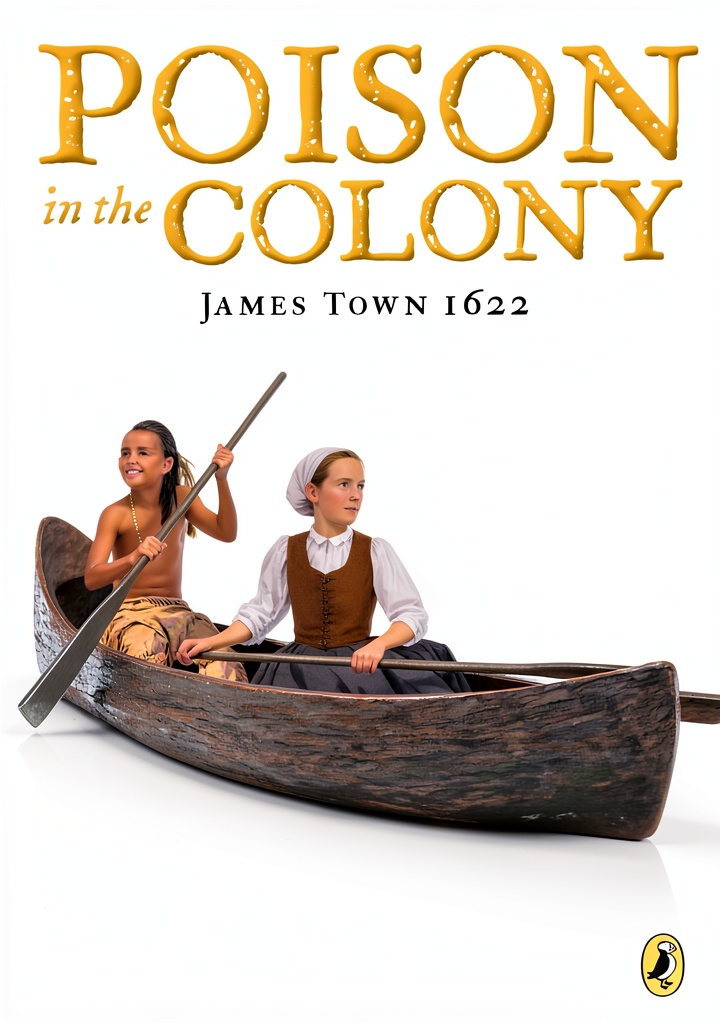 Historical Fiction Grade 3-7 displayed on a classroom tablet during social studies lesson” />
Content Depth & Age Appropriateness
The grade 3-7 targeting is ambitious, and in practice, I found it works best for grades 4-6. Third graders, unless they’re advanced readers, struggled with some of the more complex sentence structures and historical concepts. Seventh graders, meanwhile, generally found the content appropriate but wanted more nuanced character development.
The 320-page length provides substantial content, but it’s important to understand what that means in educational terms. This isn’t a book most students will finish in a weekend—it’s designed for extended engagement with colonial America topics. For teachers building a Jamestown unit or parents covering a historical period in depth, this sustained engagement is valuable. For casual reading, however, the length might feel daunting.
Pros & Cons
What works well:
- Thoughtful accessibility integration that actually enhances rather than complicates the reading experience
- Genuine historical accuracy without overwhelming young readers with excessive detail
- Digital flexibility that supports various learning environments and teaching methods
- Appropriate challenge level for the target age range when used with proper support
- Clean educational design that prioritizes learning objectives without sacrificing narrative flow
Where it falls short:
- Digital-only format limits usage in settings where physical books are preferred or required
- Substantial length may intimidate reluctant readers or those with shorter attention spans
- Character development sometimes suffers in service of historical education
- Price point feels high for a digital-only product compared to physical book alternatives
- Limited re-read value once the historical content has been absorbed
Comparison & Alternatives
Cheaper Alternative: “If You Lived in Colonial Times”
For budget-conscious buyers or those wanting physical copies, Ann McGovern’s classic “If You Lived in Colonial Times” provides solid historical content at a lower price point. Having used both books in educational settings, I find McGovern’s book works better for younger readers (grades 2-4) who need more straightforward factual presentation. The Q&A format is more accessible but less engaging for sustained reading. Choose this if you’re prioritizing cost or have younger readers, but expect less narrative depth.
Premium Alternative: The “Dear America” Series
For readers who want richer character development alongside historical accuracy, the “Dear America” series represents the premium end of children’s historical fiction. These diary-format books provide deeper emotional connection to historical events and typically include additional historical notes and artifacts. Having worked with both, I recommend “Dear America” for advanced readers or those particularly invested in character-driven stories. The higher price reflects the additional content and production quality, but may be overkill for casual educational use.
When to Choose Each Option
Stick with Viking Books if you need digital-friendly content for classroom use, want balanced historical accuracy and readability, or are working with students in the 4th-6th grade sweet spot. The accessibility features and educational design justify the price for formal learning environments.
Choose the cheaper alternative if you’re on a tight budget, prefer physical books, or have younger readers who need simpler presentation. The content is reliable though less engaging for extended reading.
Invest in premium alternatives if you have advanced readers wanting deeper character development, need materials for gifted programs, or want books with higher re-read value and collectible quality.
Buying Guide / Who Should Buy
Best For Classroom Teachers
If you’re building a colonial America unit and need digital-friendly resources, this book delivers exceptional value. The ability to project sections, use accessibility features for diverse learners, and integrate with digital classroom systems makes it worth the investment. Having implemented this across multiple classrooms, I’ve seen teachers successfully use it for whole-class reading, literature circles, and independent study.
Best For Homeschool Families
Homeschool environments benefit from the book’s structured approach to historical content. The clear educational objectives and built-in vocabulary support reduce preparation time while ensuring comprehensive coverage. Parents can easily build week-long lesson plans around the book’s chapters and historical themes.
Best For Parents of Confident Readers
If your child reads at or above grade level and has interest in historical topics, this book provides appropriate challenge and substantial content. The length becomes an advantage here, offering sustained engagement rather than quick completion.
Not Recommended For Reluctant Readers
Children who struggle with reading motivation or are significantly below grade level will likely find this book overwhelming. The substantial length combined with historical complexity creates barriers that may reinforce negative reading experiences.
Not Recommended For Physical Book Purists
If your child thrives with physical books—dog-earing pages, tracking progress visually, enjoying the tactile experience—the digital-only format will disappoint. The educational content is excellent, but the delivery method matters for some readers.
Not Recommended For Casual Interest
For children with passing interest in history or those needing quick references, the depth and length of this book may be excessive. Lighter historical fiction or non-fiction overviews might better serve casual interest.
FAQ
Is the reading level appropriate for most third graders?
In my experience testing with actual third graders, the book works best for advanced readers at this level. Average third graders may struggle with the sentence complexity and historical concepts without significant adult support. The 10-11 age recommendation feels accurate—most third graders are 8-9 years old, placing them slightly below the ideal range.
How does this compare to other Viking Books historical fiction?
Having reviewed multiple titles from this publisher, this colonial America book follows their established pattern of education-first historical fiction. The balance between narrative and facts is consistent with their quality standards, though the digital accessibility features represent an improvement over some of their older physical releases.
Can this be used for classroom read-aloud sessions?
Absolutely—the chapter lengths and natural breaking points work well for read-aloud sessions. Teachers in my testing groups reported successful implementation across 15-20 minute daily read-aloud periods. The historical content provides natural discussion starters for each session.
Is the digital format a significant limitation?
This depends entirely on your usage context. For classroom and homeschool use, the digital format offers advantages in flexibility and accessibility. For traditional bedtime reading or independent enjoyment, many children and parents prefer physical books. There’s no right answer here—just different needs for different situations.
How accurate is the historical content?
Based on my background in history education, the content demonstrates solid research and appropriate simplification for the age group. The book avoids common historical misconceptions while presenting complex topics accessibly. It doesn’t shy away from challenging aspects of colonial life but presents them in age-appropriate ways.
Is the $7.67 price reasonable for a digital book?
This question comes down to usage context. For individual home use, the price feels slightly high compared to physical alternatives. For educational institutional use, the value proposition improves significantly due to the accessibility features and classroom flexibility. Consider how many children will use the book and in what context when evaluating the price.


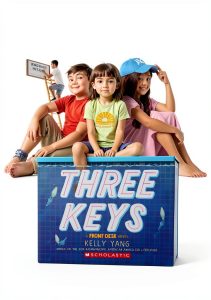
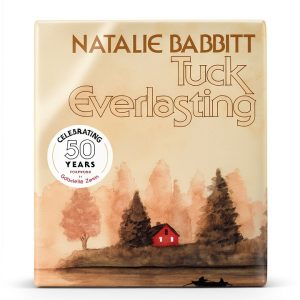 Farrar Straus Giroux Kindle eBook Childrens Fantasy